LUMIWOOD Aqua Play free

Fish guide

Fish guide: care notes for 43 species

Every tropical fish, medaka, goldfish, koi and shrimp in the game. Open “Care notes” on any card for feeding, water, temperature and breeding tips.

Play free

Care notes are the same as the in-game guide. For a real tank, adjust for tank size, tankmates and your local water. Images are the in-game 3D models.

Tropical fishTropical fish

Small to medium fish from South America, Southeast Asia and beyond, kept warm with a heater.

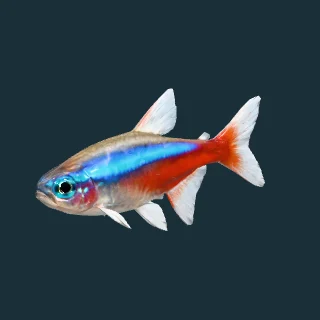
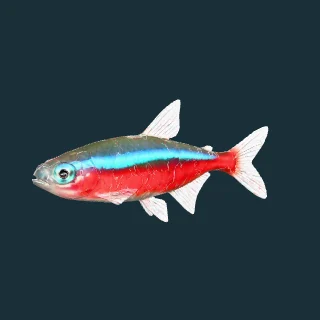
Neon Tetra (in-game 3D model)

Neon Tetra

Paracheirodon innesi

Native to: South America (Amazon)

Difficulty ★★☆☆☆Size ~3 cmIdeal 23〜27℃Needs a heaterSchooling
Care notes
Feeding
Small pellets, once or twice a day.
Water
Prefers soft, slightly acidic water. Change water a little at a time.
Temperature
Keep at 24–26℃ with a heater.
Breeding
Rarely breeds in a home aquarium.
Common problems
Struggles in a tank that is still cycling. Stunning in a school of 10 or more.
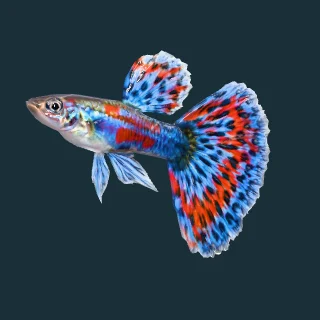
Guppy (in-game 3D model)

Guppy

Poecilia reticulata

Native to: South America (selectively bred)

Difficulty ★☆☆☆☆Size ~4 cmIdeal 22〜27℃Needs a heater
Care notes
Feeding
Once or twice a day. Keep it light — leftovers foul the water.
Water
Prefers slightly alkaline water. Hardy and beginner-friendly.
Temperature
About 24℃ with a heater.
Breeding
Livebearer — the female gives birth to fry. Keep males and females together and they breed on their own.
Common problems
They breed until the tank gets crowded.
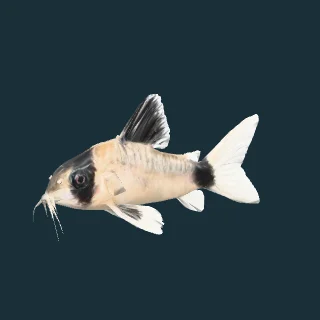
Panda Cory (in-game 3D model)

Panda Cory

Corydoras panda

Native to: South America (Peru)

Difficulty ★★☆☆☆Size ~5 cmIdeal 22〜26℃Needs a heaterSchooling
Care notes
Feeding
Sinking tablets.
Water
Forages in the substrate, so use smooth, rounded sand.
Temperature
About 24℃ with a heater.
Breeding
Sometimes lays eggs on the glass.
Common problems
Sharp gravel damages their barbels.
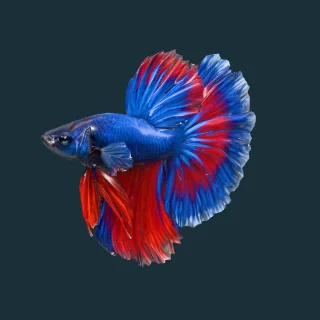
Betta (Halfmoon) (in-game 3D model)

Betta (Halfmoon)

Betta splendens

Native to: Thailand (selectively bred)

Difficulty ★★☆☆☆Size ~6 cmIdeal 25〜28℃Needs a heater
Care notes
Feeding
Betta pellets, 2–3 at a time, twice a day.
Water
Prefers a tank with gentle flow.
Temperature
About 26℃ with a heater.
Breeding
Males fight fiercely — keep only one male.
Common problems
Cold water and strong flow damage the fins.
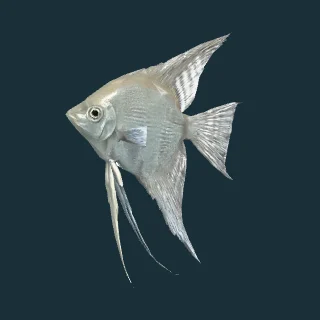
Angelfish (in-game 3D model)

Angelfish

Pterophyllum scalare

Native to: South America (Amazon)

Difficulty ★★★☆☆Size ~12 cmIdeal 24〜28℃Needs a heater
Care notes
Feeding
Twice a day. Adults may eat small fish.
Water
Give them a tall tank to glide around in.
Temperature
About 26℃ with a heater.
Breeding
Pairs lay eggs on driftwood or leaves.
Common problems
Will eat small fish like neon tetras.
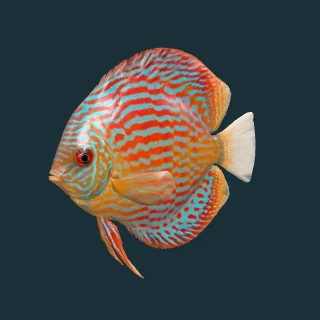
Discus (in-game 3D model)

Discus

Symphysodon spp.

Native to: South America (Amazon)

Difficulty ★★★★★Size ~14 cmIdeal 28〜30℃Needs a heater
Care notes
Feeding
Discus food, a little at a time, three times a day.
Water
Very sensitive to dirty water. Frequent water changes are a must.
Temperature
Warm: 28–30℃ with a heater.
Breeding
Parents feed their fry with mucus from their skin.
Common problems
Cold and dirty water. Known as the "King of the Aquarium" — for experienced keepers.
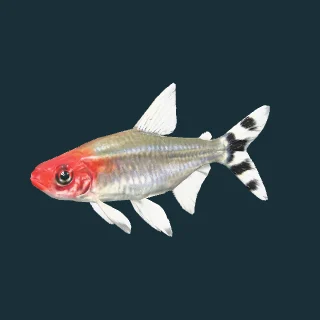
Rummy-nose Tetra (in-game 3D model)

Rummy-nose Tetra

Hemigrammus rhodostomus

Native to: South America (Amazon)

Difficulty ★★☆☆☆Size ~4 cmIdeal 24〜28℃Needs a heaterSchooling
Care notes
Feeding
Small pellets, once or twice a day.
Water
The red head gets deeper in clean water. A pale head means the water is dirty.
Temperature
About 25℃ with a heater.
Breeding
Rarely breeds in a home aquarium.
Common problems
Schools very tightly and turns in perfect unison. 10 or more recommended.
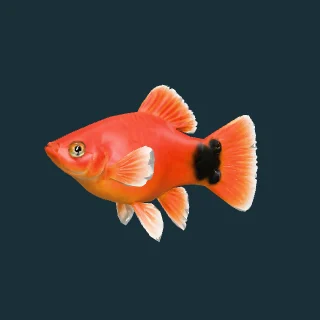
Red Mickey Mouse Platy (in-game 3D model)

Red Mickey Mouse Platy

Xiphophorus maculatus

Native to: Central America (selectively bred)

Difficulty ★☆☆☆☆Size ~5 cmIdeal 21〜27℃Needs a heater
Care notes
Feeding
Eats anything, and nibbles algae too.
Water
Hardy, prefers slightly alkaline water. Great for beginners.
Temperature
About 24℃ with a heater.
Breeding
A livebearer like the guppy. The "Mickey Mouse" mark on the tail passes to the fry.
Common problems
Watch out — they multiply fast.
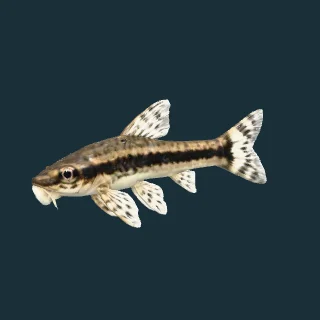
Otocinclus (in-game 3D model)

Otocinclus

Otocinclus spp.

Native to: South America

Difficulty ★★★☆☆Size ~4 cmIdeal 22〜27℃Needs a heater
Care notes
Feeding
Grazes algae on glass and plants. Give sinking tablets when algae runs low.
Water
Add only after the tank has cycled. Weak in brand-new tanks.
Temperature
About 24℃ with a heater.
Breeding
Rarely breeds in a home aquarium.
Common problems
An adorable algae-eating pro that likes to cling to the glass.
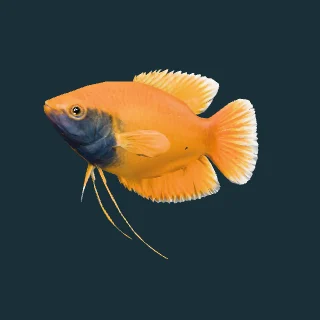
Honey Gourami (in-game 3D model)

Honey Gourami

Trichogaster chuna

Native to: India, Bangladesh

Difficulty ★★☆☆☆Size ~5 cmIdeal 24〜28℃Needs a heater
Care notes
Feeding
Small pellets twice a day. Happily eats from the surface.
Water
Prefers calm water.
Temperature
About 26℃ with a heater.
Breeding
Males build bubble nests at the surface.
Common problems
Feels its way around with thread-like fins. Gentle and peaceful.
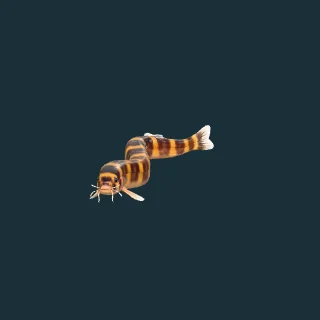
Kuhli Loach (in-game 3D model)

Kuhli Loach

Pangio kuhlii

Native to: Southeast Asia

Difficulty ★★☆☆☆Size ~7 cmIdeal 24〜28℃Needs a heater
Care notes
Feeding
Leftovers on the bottom and sinking tablets.
Water
Likes fine sand. Gets active at night.
Temperature
About 25℃ with a heater.
Breeding
Rarely breeds in a home aquarium.
Common problems
Wriggles along the bottom like a snake, and sometimes burrows into the sand.
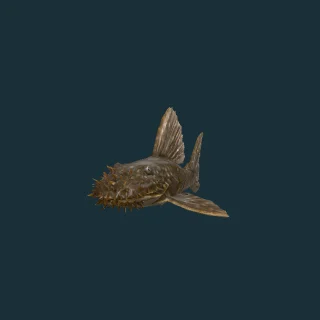
Bristlenose Pleco (in-game 3D model)

Bristlenose Pleco

Ancistrus sp.

Native to: South America

Difficulty ★★☆☆☆Size ~10 cmIdeal 23〜28℃Needs a heater
Care notes
Feeding
Rasps algae and driftwood. Pleco wafers too.
Water
Loves driftwood. Messy, so use good filtration.
Temperature
About 25℃ with a heater.
Breeding
Males grow bushy "bristles" on their snouts.
Common problems
Rests by day and grazes the glass and wood at night. The best algae eater of all.
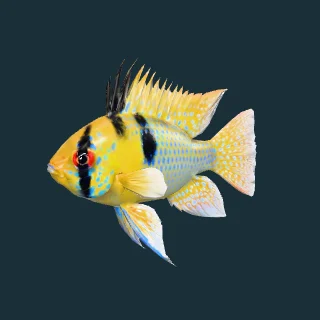
German Blue Ram (in-game 3D model)

German Blue Ram

Mikrogeophagus ramirezi

Native to: South America (selectively bred)

Difficulty ★★★★☆Size ~5 cmIdeal 27〜30℃Needs a heater
Care notes
Feeding
Small pellets or frozen bloodworms, twice a day.
Water
Prefers clean, slightly acidic water. Sensitive to dirty water.
Temperature
Warm: about 28℃ with a heater.
Breeding
Pairs lay eggs on a stone and guard them.
Common problems
Colors fade in cold or dirty water. A small cichlid with jewel-like blue spots.
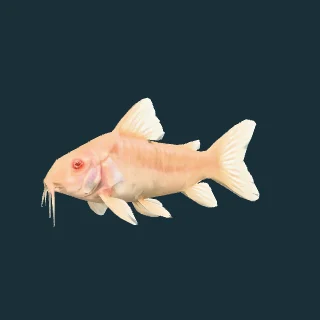
Albino Cory (in-game 3D model)

Albino Cory

Corydoras aeneus (albino)

Native to: South America (selectively bred)

Difficulty ★★★☆☆Size ~5 cmIdeal 22〜27℃Needs a heaterSchooling
Care notes
Feeding
Sinking tablets.
Water
Fine, rounded sand is best. A bit sensitive to dirty water.
Temperature
About 24℃ with a heater.
Breeding
An albino without pigment — red eyes and a pale pink body.
Common problems
Sharp gravel damages their barbels. In a group they scurry busily along the bottom.
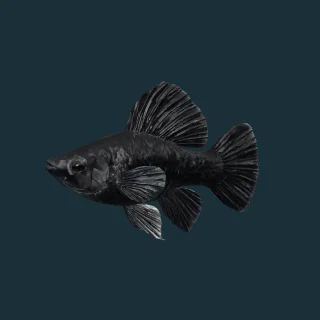
Black Molly (in-game 3D model)

Black Molly

Poecilia sphenops

Native to: Central America (selectively bred)

Difficulty ★☆☆☆☆Size ~6 cmIdeal 24〜28℃Needs a heater
Care notes
Feeding
Once or twice a day. Likes plant-based food and picks at algae on glass and plants.
Water
Prefers hard, slightly alkaline water. Change water often.
Temperature
About 25℃ with a heater. Doesn't like the cold.
Breeding
Livebearer — the female gives birth to fry. Keep males and females together to breed.
Common problems
Prone to ich in cold water.
Cardinal Tetra (in-game 3D model)

Cardinal Tetra

Paracheirodon axelrodi

Native to: South America (Rio Negro)

Difficulty ★★☆☆☆Size ~4 cmIdeal 24〜29℃Needs a heaterSchooling
Care notes
Feeding
Small pellets, once or twice a day.
Water
Prefers soft, slightly acidic water. Colors pop in a tank with aqua soil.
Temperature
Around 26℃ with a heater — a little warmer than for Neon Tetras.
Breeding
Rarely breeds in a home aquarium.
Common problems
Looks like a Neon Tetra, but the red runs all the way to the chin. Breathtaking in a big school.
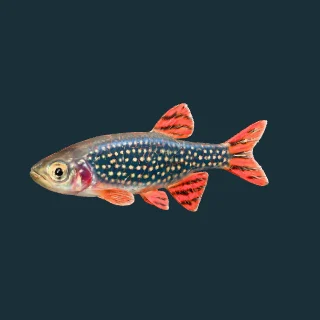
Celestial Pearl Danio (in-game 3D model)

Celestial Pearl Danio

Danio margaritatus

Native to: Myanmar

Difficulty ★★☆☆☆Size ~3 cmIdeal 22〜26℃Needs a heaterSchooling
Care notes
Feeding
Very fine food twice a day. Their mouths are tiny.
Water
Prefers a calm, heavily planted tank.
Temperature
About 24℃ with a heater.
Breeding
Scatters eggs in dense plants, but the parents eat them.
Common problems
A tiny fish with fireworks-like spots, discovered in 2006. Shy, so give it plenty of plants.
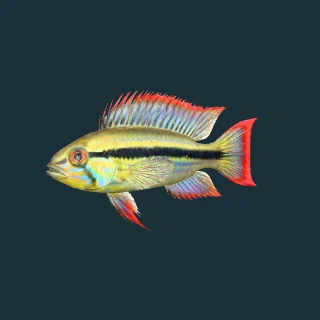
Apistogramma agassizii (in-game 3D model)

Apistogramma agassizii

Apistogramma agassizii 'Double Red'

Native to: South America (Amazon, selectively bred)

Difficulty ★★★☆☆Size ~7 cmIdeal 25〜29℃Needs a heater
Care notes
Feeding
Small pellets or frozen bloodworms, twice a day.
Water
Likes soft, slightly acidic water and hiding spots among driftwood and leaves.
Temperature
26–27℃ with a heater.
Breeding
A pair lays eggs in the shade of driftwood, and the female guards them.
Common problems
Males fight over territory, so one male is safest. A dwarf cichlid famous for its red-edged tail.
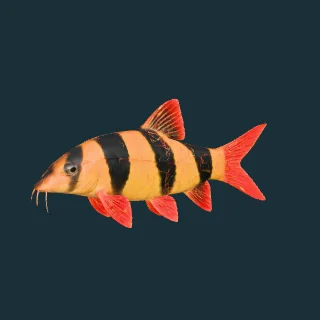
Clown Loach (in-game 3D model)

Clown Loach

Chromobotia macracanthus

Native to: Indonesia

Difficulty ★★☆☆☆Size ~15 cmIdeal 25〜29℃Needs a heaterSchooling
Care notes
Feeding
Sinking tablets once or twice a day. They also love eating pest snails.
Water
Keep with friends in a tank full of hiding spots.
Temperature
About 26℃ with a heater.
Breeding
Does not breed in a home aquarium.
Common problems
Grows slowly to about 15cm over the years. You may be startled to see one resting on its side.
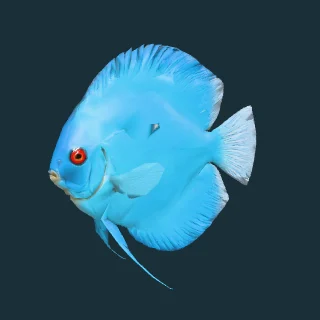
Blue Diamond Discus (in-game 3D model)

Blue Diamond Discus

Symphysodon 'Blue Diamond'

Native to: Selectively bred

Difficulty ★★★★★Size ~14 cmIdeal 28〜30℃Needs a heater
Care notes
Feeding
Discus food, a little at a time, three times a day.
Water
Very sensitive to dirty water. Frequent water changes are a must.
Temperature
Warm: 28–30℃ with a heater.
Breeding
A carefully selected line that shines solid blue, with no stripes at all.
Common problems
One of the most beautiful of the "King of the Aquarium." Watch for cold and dirty water.
Platinum White Betta (in-game 3D model)

Platinum White Betta

Betta splendens 'Platinum White'

Native to: Thailand (selectively bred)

Difficulty ★★☆☆☆Size ~6 cmIdeal 25〜28℃Needs a heater
Care notes
Feeding
Betta pellets, 2–3 at a time, twice a day.
Water
Prefers a tank with gentle flow.
Temperature
About 26℃ with a heater.
Breeding
Pearly white fins appear only in carefully selected lines.
Common problems
Cold water and strong flow damage the fins.
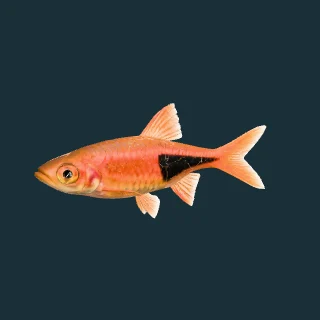
Rasbora espei (in-game 3D model)

Rasbora espei

Trigonostigma espei

Native to: Thailand, Cambodia

Difficulty ★☆☆☆☆Size ~3 cmIdeal 23〜28℃Needs a heaterSchooling
Care notes
Feeding
Small pellets, once or twice a day.
Water
Hardy and not fussy about water. Colors deepen in a well-planted tank.
Temperature
Keep at 24–26°C with a heater.
Breeding
Lays eggs under plant leaves, but rarely breeds in a home tank.
Common problems
Copper body with a black wedge. A school of 10+ looks stunning against green plants.
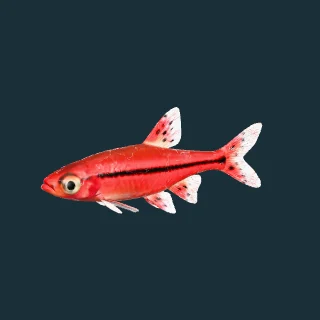
Boraras brigittae (in-game 3D model)

Boraras brigittae

Boraras brigittae

Native to: Indonesia (Borneo)

Difficulty ★★☆☆☆Size ~2 cmIdeal 24〜28℃Needs a heaterSchooling
Care notes
Feeding
Its mouth is tiny, so give powder-fine food.
Water
Soft, slightly acidic water. Prefers a densely planted tank with gentle flow.
Temperature
About 25℃ with a heater.
Breeding
Rarely breeds in a home aquarium.
Common problems
A bright red fish only about 2cm long. Larger fish will eat it.
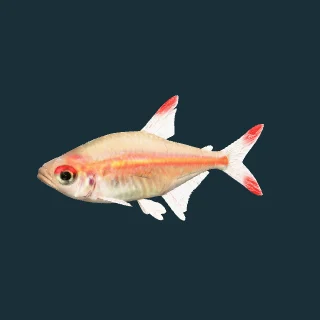
Glowlight tetra (in-game 3D model)

Glowlight tetra

Hemigrammus erythrozonus

Native to: South America (Guyana)

Difficulty ★☆☆☆☆Size ~3 cmIdeal 23〜27℃Needs a heaterSchooling
Care notes
Feeding
Small pellets, once or twice a day.
Water
Hardy and easy. The red stripe glows best over dark substrate.
Temperature
Keep at 24–26°C with a heater.
Breeding
Rarely breeds in a home aquarium.
Common problems
A see-through body with one glowing red line. Mixes softly with neon tetras.

Medaka, goldfish & koiMedaka, goldfish & koi

Fish that live without a heater. In the game, koi live in the garden pond.

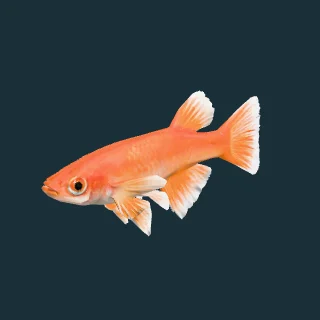
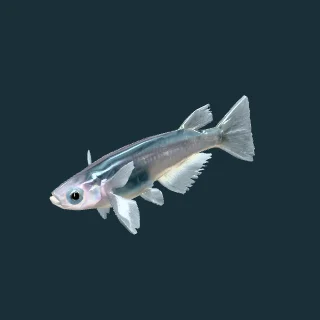
Yokihi Medaka (in-game 3D model)

Yokihi Medaka

Oryzias latipes var.

Native to: Japan (selectively bred)

Difficulty ★☆☆☆☆Size ~4 cmIdeal 18〜28℃No heater neededSchooling
Care notes
Feeding
Once or twice a day, only what they finish in a few minutes. Loves floating food.
Water
Hardy and tolerant of changing water. Change about a third of the water once a week.
Temperature
Fine without a heater. Lays eggs above 20℃.
Breeding
Sticks eggs to plants. The parents eat them, so move the eggs to a separate container.
Common problems
Overfeeding fouls the water.
Ryukin Goldfish (in-game 3D model)

Ryukin Goldfish

Carassius auratus var.

Native to: Japan (selectively bred)

Difficulty ★☆☆☆☆Size ~9 cmIdeal 15〜27℃No heater needed
Care notes
Feeding
Goldfish food once or twice a day, as much as they eat in a few minutes. Big eaters, big mess.
Water
Very hardy, but messy — use strong filtration and change water often.
Temperature
No heater needed year-round. Slows down in winter.
Breeding
Spawns in spring as the water warms.
Common problems
Overstocking fouls the water. Will eat small shrimp.
White Cloud Minnow (in-game 3D model)

White Cloud Minnow

Tanichthys albonubes

Native to: Southern China

Difficulty ★☆☆☆☆Size ~4 cmIdeal 16〜26℃No heater neededSchooling
Care notes
Feeding
Once or twice a day, as much as they eat in a few minutes. Eats anything.
Water
Very hardy and tolerant of changing water. A good companion while your first tank cycles.
Temperature
Survives winter without a heater (down to about 5℃).
Breeding
Scatters eggs among plants. Parents eat them, so dense plants help fry survive.
Common problems
Can jump out — keep a lid on.
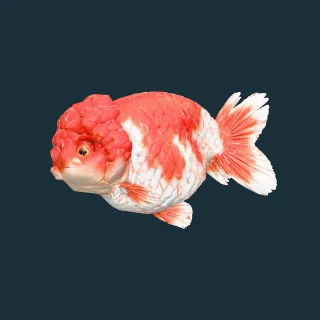
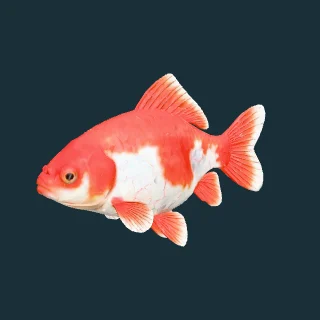
Ranchu (in-game 3D model)

Ranchu

Carassius auratus var.

Native to: Japan (selectively bred)

Difficulty ★★☆☆☆Size ~8 cmIdeal 15〜27℃No heater needed
Care notes
Feeding
Goldfish food once or twice a day. A clumsy swimmer, so sinking food is easier.
Water
Messy — use strong filtration and change water often. Keep flow gentle.
Temperature
No heater needed year-round.
Breeding
Known in Japan as the "King of Goldfish." No dorsal fin, and a prized fleshy head growth (wen).
Common problems
Strong flow wears them out. Will eat small shrimp and fry.
Miyuki Medaka (Full Body) (in-game 3D model)

Miyuki Medaka (Full Body)

Oryzias latipes 'Miyuki'

Native to: Japan (selectively bred)

Difficulty ★☆☆☆☆Size ~4 cmIdeal 18〜28℃No heater neededSchooling
Care notes
Feeding
Once or twice a day, as much as they eat in a few minutes.
Water
Hardy. Change about a third of the water once a week.
Temperature
Fine without a heater.
Breeding
In the "Full Body" line the metallic shine covers the whole body — rare, and hard to pass on to offspring.
Common problems
The shine looks best from above.
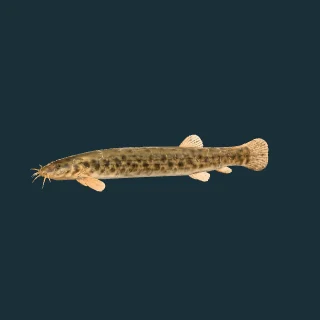
Weather loach (in-game 3D model)

Weather loach

Misgurnus anguillicaudatus

Native to: Japan

Difficulty ★☆☆☆☆Size ~8 cmIdeal 12〜28℃No heater needed
Care notes
Feeding
Eats leftovers on the bottom and sinking food.
Water
Tough and fine with a little dirt. A creature of rice paddies and streams.
Temperature
Survives winter without a heater — great for an outdoor lily bowl.
Breeding
Rarely breeds at home.
Common problems
Feels along the bottom with its whiskers. Before the weather changes, it may rise to gulp air.
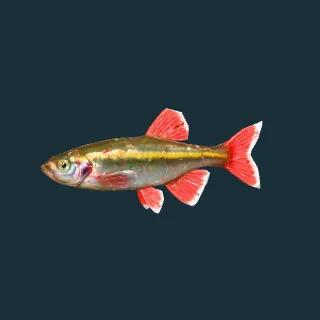
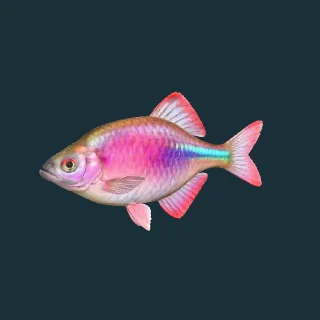
Japanese rosy bitterling (in-game 3D model)

Japanese rosy bitterling

Rhodeus ocellatus kurumeus

Native to: Japan

Difficulty ★★☆☆☆Size ~5 cmIdeal 12〜26℃No heater neededSchooling
Care notes
Feeding
Small pellets once or twice a day. It nibbles algae too.
Water
Likes clean water. Keep it in a calm, well-planted bowl or tank.
Temperature
Survives winter without a heater — great for an outdoor lily bowl.
Breeding
An unusual fish that lays its eggs inside freshwater mussels — no mussels, no breeding.
Common problems
In spring and summer, males flush an iridescent rosy purple. A Japanese native that’s becoming rare in the wild.
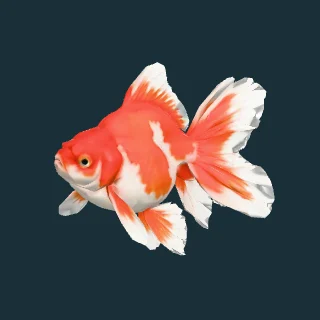
Comet (red & white) (in-game 3D model)

Comet (red & white)

Carassius auratus var.

Native to: USA (bred variety)

Difficulty ★☆☆☆☆Size ~10 cmIdeal 12〜28℃No heater needed
Care notes
Feeding
Goldfish food once or twice a day. A big eater — don’t overfeed.
Water
Hardy and fine with a little dirt. It grows large, so give it a roomy bowl or tank.
Temperature
Survives winter without a heater — a classic for outdoor bowls and ponds.
Breeding
Lays eggs on plants in spring, but rarely breeds at home.
Common problems
Glides along trailing a long streamer tail. It will eat small shrimp and baby medaka.
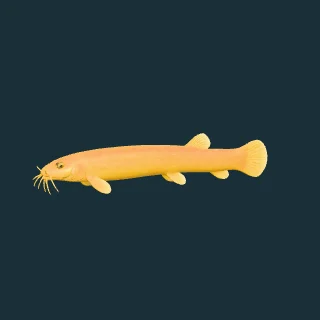
Golden weather loach (in-game 3D model)

Golden weather loach

Misgurnus anguillicaudatus var.

Native to: Japan (color variety)

Difficulty ★☆☆☆☆Size ~8 cmIdeal 12〜28℃No heater needed
Care notes
Feeding
Eats leftovers on the bottom and sinking food.
Water
Tough and fine with a little dirt.
Temperature
Survives winter without a heater — great for an outdoor lily bowl.
Breeding
Rarely breeds at home.
Common problems
A yellow-to-orange color variety of the weather loach. It stands out on dark substrate.
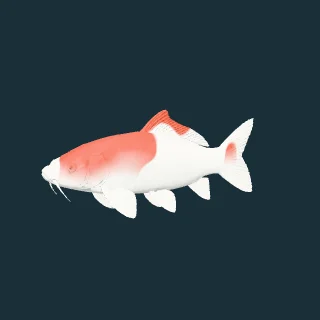
Nishikigoi (koi) (in-game 3D model)

Nishikigoi (koi)

Cyprinus rubrofuscus var.

Native to: Japan (Niigata, bred variety)

Difficulty ★★☆☆☆Size ~60 cmIdeal 10〜28℃No heater needed

In the game, keep it in the garden pond.

Care notes
Feeding
Floating koi food once or twice a day. Once they know you, they gather at the edge and gape for food. In winter, when the water drops below 10°C, feed sparingly.
Water
Big fish that make a lot of waste. Keep numbers suited to the pond size. Green water comes easily in summer, so thin it with water changes.
Temperature
Lives outdoors in a pond all year with no heater. In winter it rests still on the bottom, waiting for spring.
Breeding
In early summer (May–June) they lay eggs on plants. Young inherit their parents’ variety, but no two are ever patterned alike.
Common problems
Kohaku, Taisho Sanke and Showa Sanke are the “big three” of koi, judged by the beauty of their pattern from above. In a large pond they grow to about 60cm.
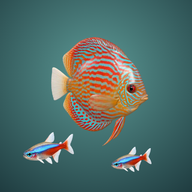
Wakin goldfish (in-game 3D model)

Wakin goldfish

Carassius auratus

Native to: Japan (close to the original goldfish)

Difficulty ★☆☆☆☆Size ~14 cmIdeal 12〜28℃No heater neededSchooling
Care notes
Feeding
Goldfish food once or twice a day. Eats well and grows well.
Water
Hardy and fine with a little dirt. Lovely swimming in a group in a pond or big bowl.
Temperature
Survives winter without a heater. An outdoor pond classic.
Breeding
Lays eggs on plants in spring. Breeds readily in a pond.
Common problems
The toughest goldfish, familiar from festival goldfish scooping. Its red-and-white pattern glows on the water.
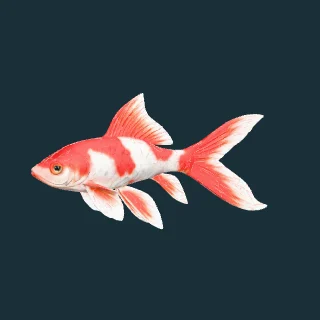
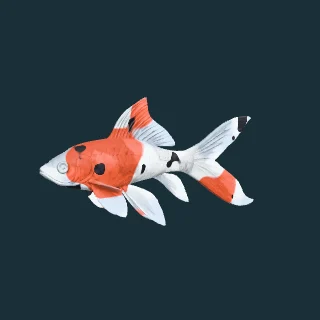
Shubunkin (in-game 3D model)

Shubunkin

Carassius auratus var.

Native to: Japan (selectively bred)

Difficulty ★☆☆☆☆Size ~13 cmIdeal 12〜28℃No heater needed
Care notes
Feeding
Goldfish food once or twice a day.
Water
Hardy and easy. Its long tail is beautiful in a roomy pond.
Temperature
Survives winter without a heater.
Breeding
Lays eggs on plants in spring. Every youngster has its own pattern.
Common problems
A bluish body mottled with red, black and white — the “calico” pattern. From above it looks like a little cousin of the koi.

ShrimpShrimp

Small shrimp that graze on algae and leftover food.

Cherry Shrimp (in-game 3D model)

Cherry Shrimp

Neocaridina denticulata

Native to: Japan

Difficulty ★☆☆☆☆Size ~3 cmIdeal 18〜26℃No heater needed
Care notes
Feeding
Eats algae and leftovers. Add a little shrimp food.
Water
Sensitive to sudden changes. Do water changes slowly.
Temperature
Survives winter without a heater.
Breeding
Females carry eggs under their tails until baby shrimp hatch.
Common problems
Bigger fish will eat them.
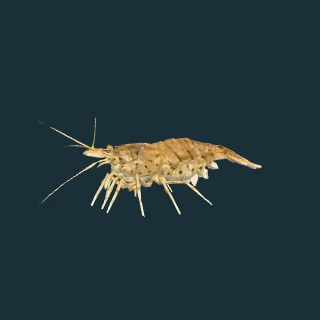
Crystal Red Shrimp (in-game 3D model)

Crystal Red Shrimp

Caridina cantonensis var.
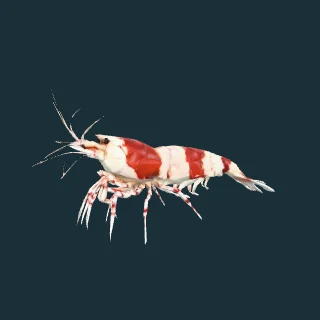
Native to: Japan (selectively bred)

Difficulty ★★★★☆Size ~2 cmIdeal 20〜25℃No heater needed
Care notes
Feeding
Just a little shrimp food. Leftovers foul the water.
Water
Very sensitive to water changes. Keep on aqua soil and change water a little at a time.
Temperature
Can't take the heat — keep below 25℃.
Breeding
The red-and-white pattern was bred in Japan. Better patterns fetch higher prices.
Common problems
Summer heat and sudden water changes. Bigger fish will eat them.
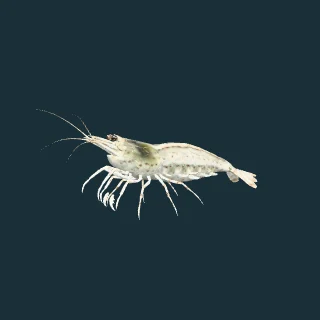
Amano shrimp (in-game 3D model)

Amano shrimp

Caridina multidentata

Native to: Japan

Difficulty ★☆☆☆☆Size ~4 cmIdeal 18〜27℃No heater needed
Care notes
Feeding
The best algae eater of all. Needs only a little food.
Water
Sensitive to sudden changes. Acclimate slowly.
Temperature
Survives winter without a heater.
Breeding
Its young grow up in the sea, so it won’t breed in a tank or bowl.
Common problems
Bigger than cherry-type shrimp and eats even hair algae. Greedy — it may run off hugging a big pellet.

Large fishLarge fish

Fish that grow big — they need a 90 cm or 120 cm tank in the game.

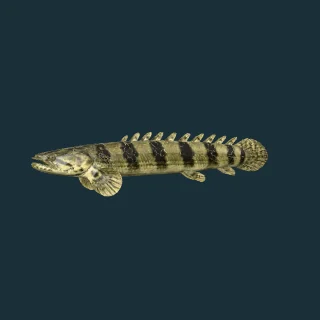
Saddled Bichir (Polypterus endlicheri) (in-game 3D model)

Saddled Bichir (Polypterus endlicheri)

Polypterus endlicheri

Native to: Africa (Nile and other rivers)

Difficulty ★★☆☆☆Size ~45 cmIdeal 24〜29℃Needs a heater

In the game, it needs a 90 cm tank or larger.

Care notes
Feeding
Sinking carnivore food once a day. Feeds most actively at night.
Water
Very hardy. Produces a lot of waste, so use strong filtration.
Temperature
About 26℃ with a heater.
Breeding
Does not breed in a home aquarium.
Common problems
A "living fossil" unchanged since the age of dinosaurs. Eats any small fish that fits in its mouth. It can squeeze out through gaps, so use a lid. Needs a 90cm tank or larger.
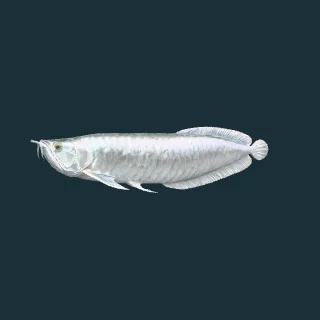
Silver Arowana (in-game 3D model)

Silver Arowana

Osteoglossum bicirrhosum

Native to: South America (Amazon)

Difficulty ★★★☆☆Size ~60 cmIdeal 25〜29℃Needs a heater

In the game, it needs the 120 cm tank.

Care notes
Feeding
Floating carnivore sticks once or twice a day. Scoops food off the surface from below.
Water
A big fish with a big bioload. Strong filtration and frequent water changes.
Temperature
26–28℃ with a heater.
Breeding
Males brood the eggs and fry in their mouths (does not breed in home tanks).
Common problems
Grows to about 60cm, so it needs a 120cm tank or larger. It jumps, so a lid is a must. It eats anything that fits in its mouth, so keep it alone.
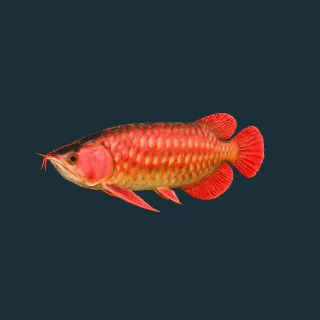
Asian Arowana (Super Red) (in-game 3D model)

Asian Arowana (Super Red)

Scleropages formosus (Super Red)

Native to: Southeast Asia (Borneo)

Difficulty ★★★★☆Size ~60 cmIdeal 26〜30℃Needs a heater

In the game, it needs the 120 cm tank.

Care notes
Feeding
Floating carnivore sticks once or twice a day.
Water
Sensitive to dirty water. Frequent water changes make its big scales shine.
Temperature
Keep warm at 27–29℃ with a heater.
Breeding
Its large scales turn deeper red over the years. Full color can take several years.
Common problems
Called the "dragon fish" — one of the finest Asian Arowanas. A 120cm tank and a lid are required. Keep it alone.
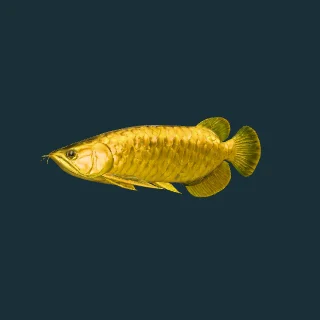
Asian Arowana (Crossback Golden) (in-game 3D model)

Asian Arowana (Crossback Golden)

Scleropages formosus (Crossback Golden)

Native to: Southeast Asia (Malay Peninsula)

Difficulty ★★★★☆Size ~60 cmIdeal 26〜30℃Needs a heater

In the game, it needs the 120 cm tank.

Care notes
Feeding
Floating carnivore sticks once or twice a day.
Water
Sensitive to dirty water. Frequent water changes make the gold shine brighter.
Temperature
Keep warm at 27–29℃ with a heater.
Breeding
"Crossback": the gold scales reach over the back to the other side.
Common problems
Gleaming gold from head to tail — the Super Red's equal among Asian Arowanas. A 120cm tank and a lid are required. Keep it alone.

Set up your first tank

Free in your phone or PC browser. No install, no sign-up.

Go to the tank room